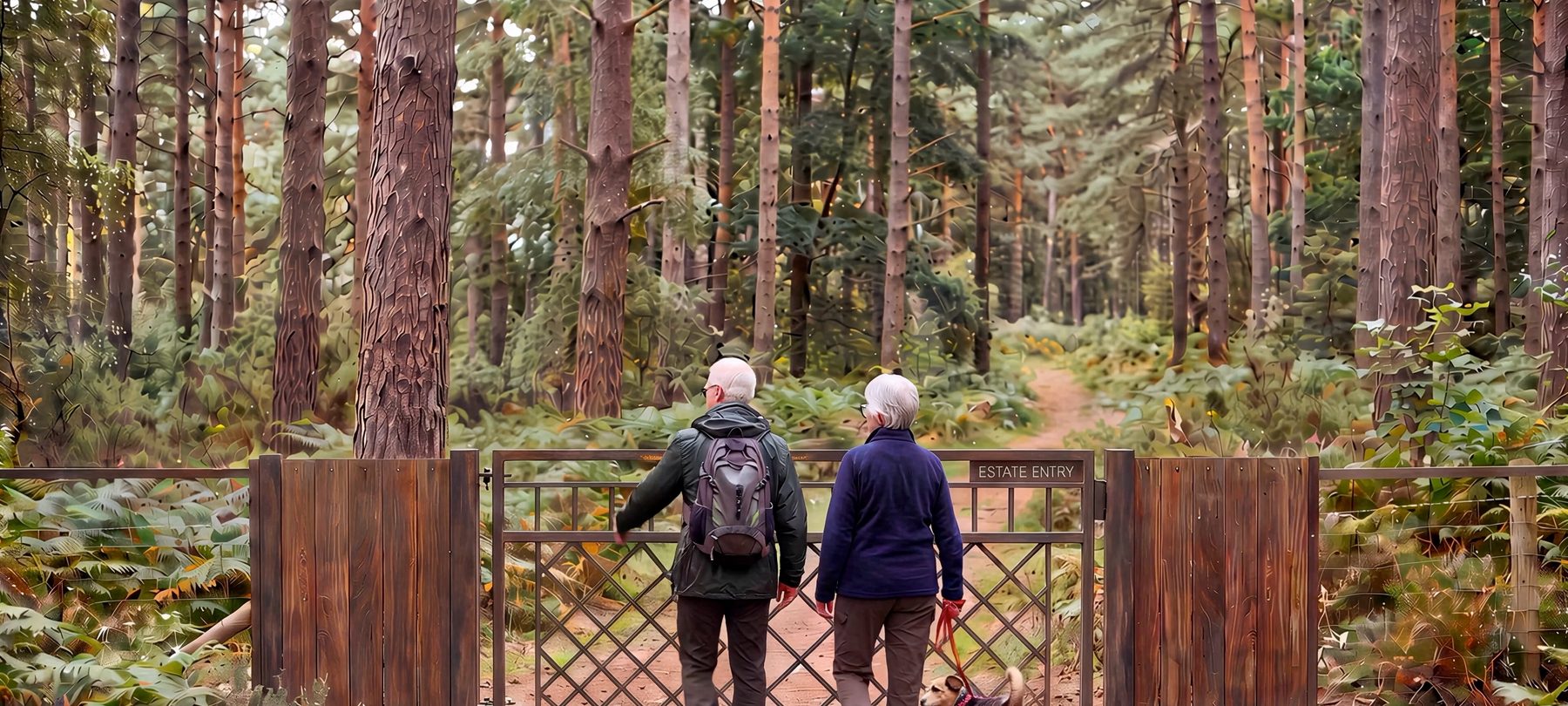
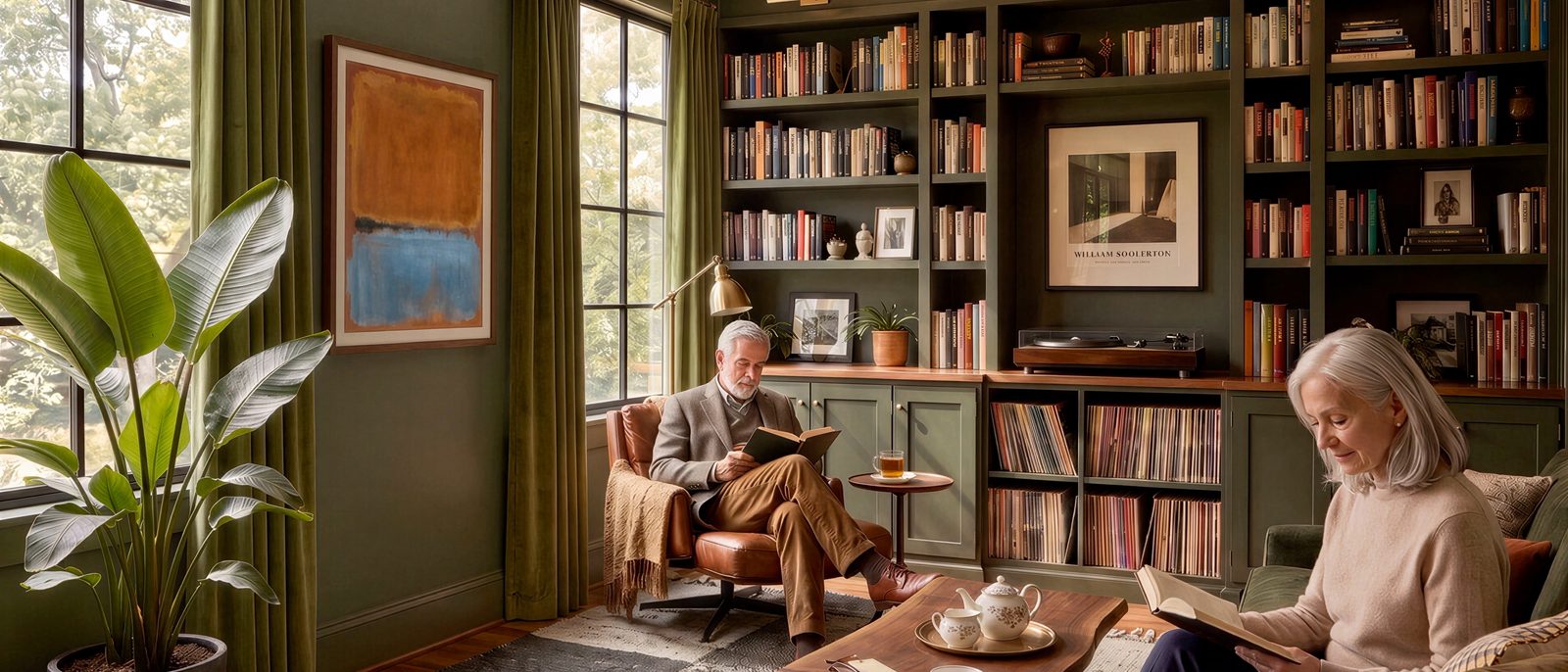
The UK’s population is ageing. The Office for National Statistics predicts that by mid-2049 the number of people aged 85 and over will have doubled to 3.6 million, representing 4.9% of the population. But where are they going to live when their family home no longer meets their needs?
One answer is to move to an integrated retirement community. Currently, only 0.6% of people in the UK live in retirement communities, compared to between 5 – 6% in the US, Australia and New Zealand. Cultural differences aside, the proven benefits of retirement villages to their residents and their potential to reduce pressure on health and social care services are well established, but the UK still lags behind.
In the UK, retirement communities came about as a way to help people avoid moving into a care home by providing built-in support. While they still excel at reducing the need for residential care, these days, retirement villages also offer an active, engaging lifestyle, with exercise classes, trips out and celebratory events. For residents, loneliness is eradicated, physical and mental wellbeing improves, and they and their families enjoy peace of mind.
Someone who has witnessed the evolution of integrated retirement communities since their inception is Dr Stephen Ladyman. In the early 2000s, Stephen was Minister for Community in the Department of Health at the start of that government’s drive to set standards and improve quality in the care sector. Before the Care Standards Act, care homes were rarely held to account. Care quality was patchy and often poor. Ultimately, this led to the government allocating £80m of funding to build developments that follow the extra care model to help people to continue living independently for longer.
While care quality and standards today are much improved, Stephen’s work led him to realise that better choices for later living were needed, not simply to avoid moving to a care home but to enable people to really enjoy their later years in an environment that enabled them to age in place.
Alongside his role as Chair of the National Autistic Society and advisor to SageHaus, Stephen also runs Oak Retirement, which operates several retirement villages across the UK, continuing his work to provide people in later life with a better quality of living. He believes there are three major benefits to living in a retirement village: retaining independence, eliminating loneliness and avoiding the need to move to a care home.
“When people move to a retirement village, they come out of their shells.”
“When people move to a retirement village, they come out of their shells,” explains Stephen. “It does all that it says on the tin in terms of reducing loneliness and improving mental and physical health. Residents maintain their independence while having the reassurance that there’s a package of support that can help them as they become more and more frail.
“The leading cause of ill health amongst old people is depression caused by loneliness. And in a retirement village, you won’t be lonely because there are other people like you there. You can have lunch in the restaurant with other people. You can go for a drink with other people. There’s always somebody to chat to and support if you need help. It’s also immensely reassuring for families.”
The third key benefit, in Stephen’s experience, is that the level of support on offer is sufficient to enable most people to age in place and live out their final days at home, rather than having to move to a care home. The exception to this is if people need 24-hour nursing or dementia care, but the vast majority of residents at Oak Retirement developments remain in their own home at the end of their life.
“If anybody ever leaves and goes into an ordinary care home without nursing cover, I would consider that a failure that we haven’t given them the opportunity to get the support they need from us on site,” said Stephen. “We have one or two examples where the NHS has actually paid for people’s support needs within one of our communities, so we are helping take the pressure off the health service too.
“In my view, the full-service extra care model, with 24-hour onsite support and hotel-style services is the ideal but the model SageHaus is proposing, where residents buy-in services, including care, as and when needed, is popular because of the lower service charge and these properties always sell well in similar developments that we run. Either approach is effective as long as you develop opportunities for socialising and build a genuine community – that’s the most important thing.”
With so many benefits on offer, how can we encourage more people to consider a move to an integrated retirement community? SageHaus is developing a new model with ultra-energy efficient individual dwellings set in beautiful, natural surroundings that offer residents a step forward into a new phase of life, rather than a step down to a small apartment. Designed to Part M4(ii) compliance, these homes are designed to adapt to people’s changing needs as they age. This fresh approach is designed to appeal to those who are put off by most of the existing retirement community properties on offer and will help encourage more people in the UK to spend their later years enjoying life in a well-designed retirement community.
ENDS